|
Professional Two-Way Radio Manufacturer |
Home | About Us | Products | Support | Contact Us |

|
|
|
Home > Products > Analog Radios > A31 |
|
|
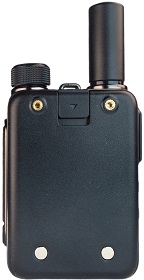
A31 Super Mini Walkie Talkies for Kids, Adults A31 is a tiny business-ready analog radio for restaurant, book store, or beauty salon, and more. It blends fashion and communication like never before-first-of-its-kind design, minimalist style, reliable PTT service, superb audio, long-lasting battery, and more. This radio helps you better stay connected with your team while staying focused on your customers.. |
||||
 |
 |
 |
 |
 |
|

— Highlights —
|


— Specifications —
|
||||||||||||||||||||||||||||||||||||||||||||||||||||||||||||||||||||||||||||
— Standard Accessories —
 |
 |
 |
| BP006 |
CC019 |
PC1011 |
— Optional Accessories —
 |
 |
|
LP007 |
EE006 |
|
We'd love to hear from you!
We will be back to you as soon
as possible for any Questions, Suggestions or Partnership
ideas. |


|
●
Who we
are |
●
Analog
Radios |
●
Warranty Statement ● Brochure |
● Email: info@aahhi.com ● Call Us: +86-138-5970 7018 ● WhatsApp: +86-138-5970 7018 ● Skype: twowayradios ● Wechat: abc100abc500 |
|

|
Our Brands |
|
|
|
|




|
|
© 2023 Quanzhou Aahhi Electronics Co., Ltd. All rights reserved. |
